Imhotep: The First Architect We Know by Name
Physician, advisor, poet, builder. The life of the man behind the Step Pyramid — and what his career tells us about where architecture comes from.
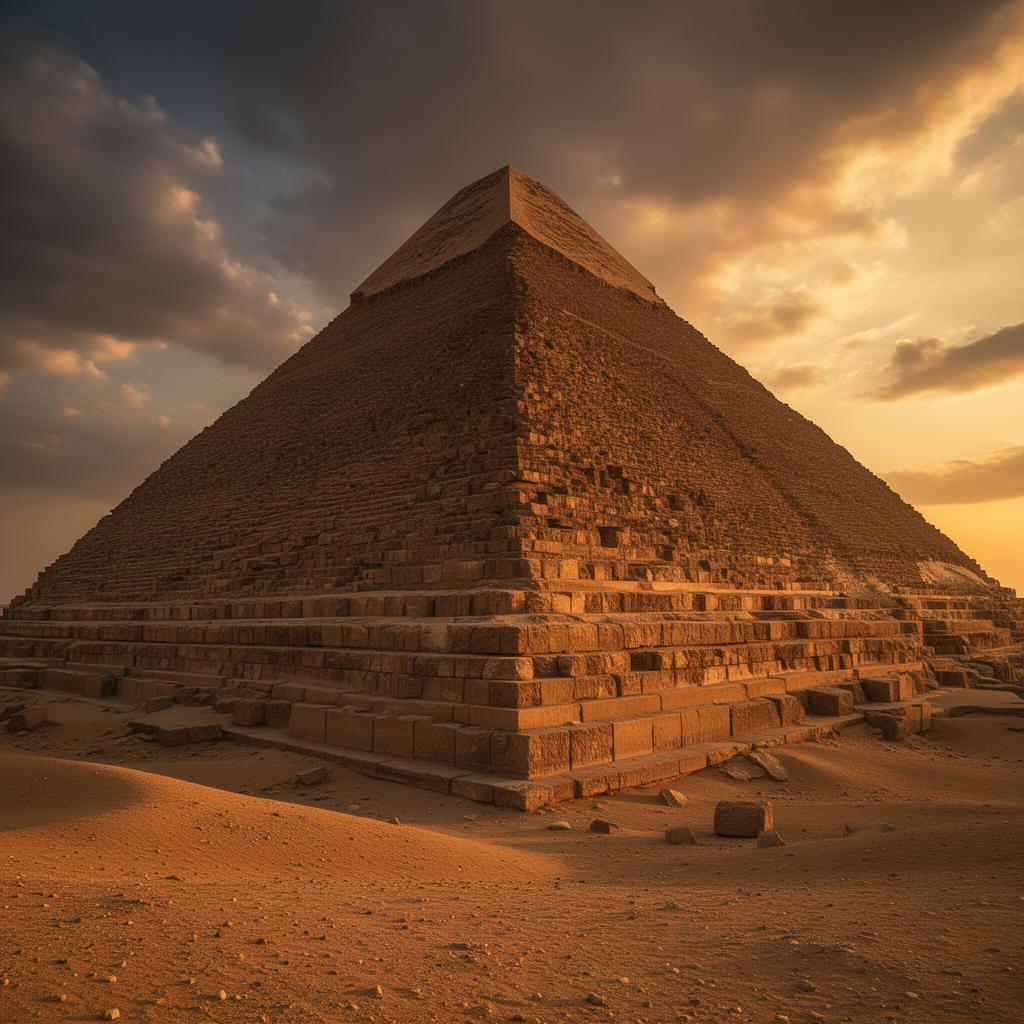
We know less about Imhotep than the bibliographies suggest. He lived around the twenty-seventh century BCE, served the pharaoh Djoser, and was, depending on which fragment you trust, a chancellor, a high priest of Heliopolis, a doctor, an astronomer, and the man who put the first dressed stones on top of each other and called it a building. The accumulation of titles is suspicious until you remember that Old Kingdom Egypt didn't separate those vocations the way we do. A learned man was learned in everything.
What he actually built — the funerary complex at Saqqara — is more interesting than the silhouette suggests from postcards. The Step Pyramid is the headline, but the real audacity is the courtyard around it: stone columns carved to imitate bundled reeds, a stone fence imitating a wooden palisade, doors that don't open because they were never doors, only the memory of doors translated into limestone. He was building a permanent version of a temporary world, and he must have known he was inventing the grammar as he went.
His sources of inspiration, as far as anyone can guess, were practical. He had seen mudbrick mastabas crack and slump. He had seen the reed shrines of the delta. He took what he knew worked in soft materials and tested whether stone could remember those shapes. Most of it did.
Two thousand years after his death, Egyptians were still leaving offerings to him; the Greeks eventually equated him with Asclepius. An architect who became a god of medicine is a strange thing to think about. Maybe the two crafts are closer than they look — both of them try to keep a body upright a little longer than it would otherwise stay.
“The best buildings teach you how to be in a room.”
We will leave the last word to the reader. The questions below are not rhetorical. They are an invitation.
Before you comment, consider:
- 01
What does it mean that the first named architect was also a healer?
- 02
How does a building become a translation of an older form?
- 03
Whose unnamed builders, in your own region, deserve to be remembered?
Join the discussion
This is a journal, not a comments section. Share a building you love, a tradition from your region, or a memory a room once gave you. All voices, all cultures, all perspectives are welcome here.
- Anya PetrovTbilisi, Georgia3 days ago
Read this twice. The bit about the doorway feeling like a welcome — my grandmother's house in Sighnaghi has exactly that, a low stone arch you have to dip your head under, and you arrive in the courtyard already softened. I don't think she would have called it architecture. But it is.
- Joaquín RiberaMexico City2 days ago
Writing this from a rooftop in Coyoacán. The neighbour's bougainvillea is doing more for the street than anything the developers put up last year. I think you're right that the older traditions were generous, but I'd push back gently — generosity is also a choice we have to keep making now, and most of the new towers here aren't choosing it.
- Mei TanakaKyotoyesterday
There's a word in carpentry here, kigoroshi, for crushing wood fibres so the joint swells back tight over time. I thought of it reading your paragraph on continuity. The good buildings are the ones that include the future in the calculation.
- Amadou DialloDakaryesterday
If you ever get the chance to be in Djenné for the replastering of the Great Mosque, go. The whole town climbs the walls. Children carry water. Old men direct from the shade. The building is never finished, which is the entire point. Thank you for writing this with care.
From the same shelf
How Architecture Began: From Shelter to Symbol
Long before drawings, before the word architect existed, people were already building. A short history of how shelter became symbol — across every continent.
Mimar Sinan: The Patient Master of the Dome
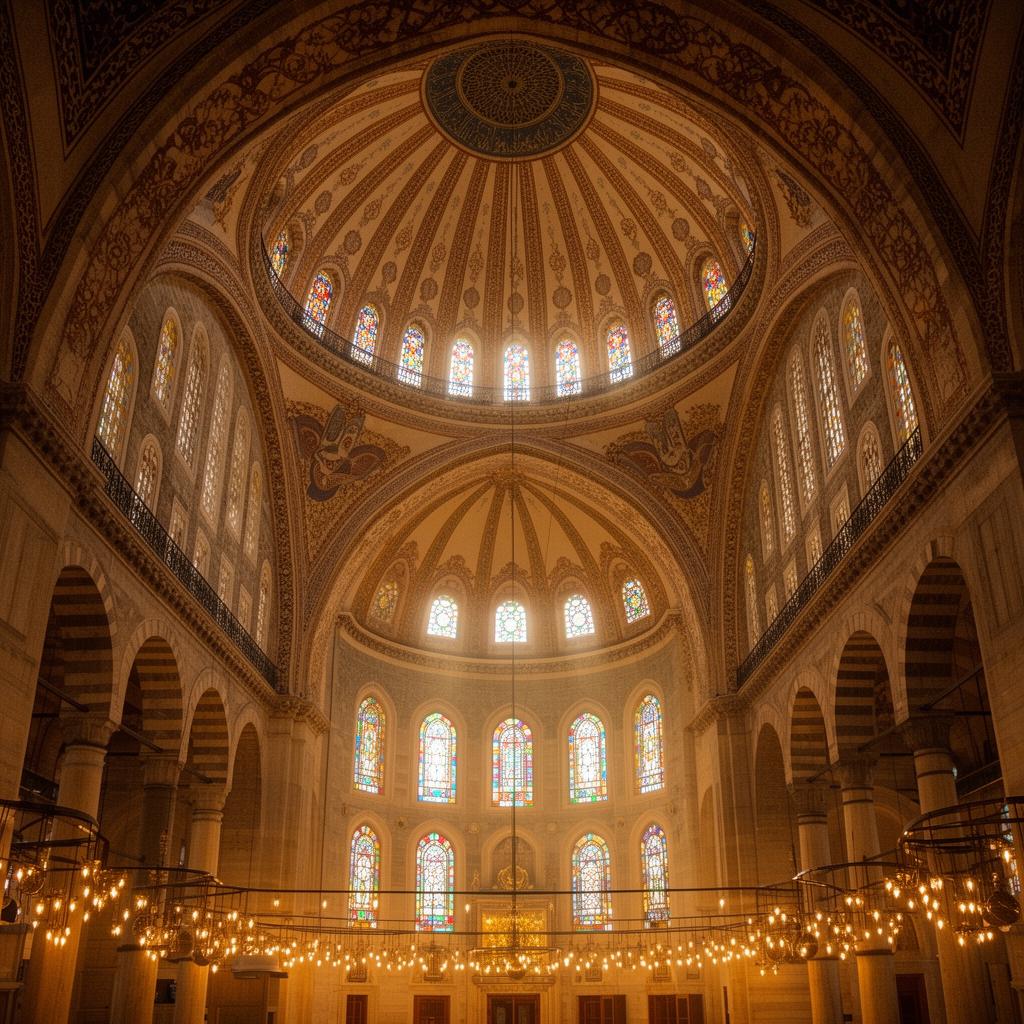
From military engineer to chief architect of an empire, Sinan spent fifty years refining a single idea — how to bring light down through a dome.