Mimar Sinan: The Patient Master of the Dome
From military engineer to chief architect of an empire, Sinan spent fifty years refining a single idea — how to bring light down through a dome.
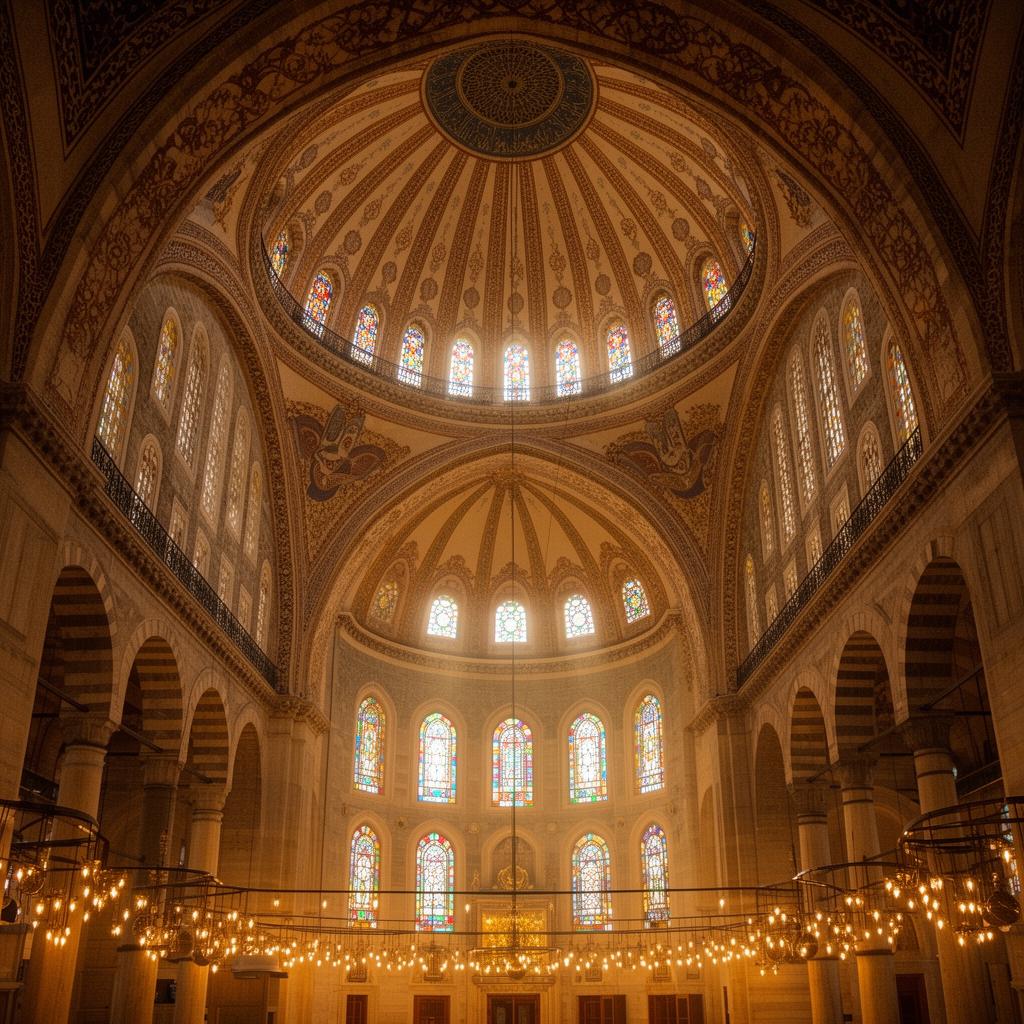
Sinan came to architecture sideways, which is probably why he was good at it. Born around 1490 in a village near Kayseri, conscripted into the Janissaries in his twenties, he spent the first half of his life as a military engineer — building pontoon bridges for Süleyman's campaigns, repairing fortifications in the Balkans, learning how an arch behaves when an army is crossing it in a hurry. By the time he was given the title of chief court architect he was nearly fifty, and he had already seen more of the empire than most of his patrons ever would.
He held the post for half a century. The numbers attributed to his workshop — somewhere between three and four hundred completed buildings — are a little misleading; many were small, and many were the work of trained deputies. What matters is the consistency of the question he kept asking. How do you make a stone dome feel like it is rising, not pressing down?
The answer arrives in three mosques, read in order. The Şehzade in Istanbul, built for a dead prince, is his first serious attempt and still feels like a student's brilliant exercise. The Süleymaniye, a decade later, is grander but more confident, the half-domes finally doing the work he wanted. Then, when he was almost eighty, came the Selimiye in Edirne, which he called the work of his mastery — and which, if you stand under it in the late afternoon, really does seem to be floating on the light coming through the drum windows. He was right to be pleased.
What's easy to miss, in the catalogue of imperial mosques, is how much of his career went into things nobody photographs: aqueducts, public kitchens that fed the poor, soup kitchens attached to madrasas, the bridge at Büyükçekmece that still carries traffic. He trained Sedefkâr Mehmed Ağa, who would later build the Sultan Ahmed Mosque. He left detailed treatises so that the workshop would survive him. He didn't, in the end, separate the kind of building you pray in from the kind you wash your hands in. Both were owed the same care.
“The best buildings teach you how to be in a room.”
We will leave the last word to the reader. The questions below are not rhetorical. They are an invitation.
Before you comment, consider:
- 01
What changes in an architect's work when the career begins late?
- 02
How does serving infrastructure — a bridge, a kitchen, a bath — change what architecture means?
- 03
Which buildings in your city were designed to outlast the people who paid for them?
Join the discussion
This is a journal, not a comments section. Share a building you love, a tradition from your region, or a memory a room once gave you. All voices, all cultures, all perspectives are welcome here.
- Anya PetrovTbilisi, Georgia3 days ago
Read this twice. The bit about the doorway feeling like a welcome — my grandmother's house in Sighnaghi has exactly that, a low stone arch you have to dip your head under, and you arrive in the courtyard already softened. I don't think she would have called it architecture. But it is.
- Joaquín RiberaMexico City2 days ago
Writing this from a rooftop in Coyoacán. The neighbour's bougainvillea is doing more for the street than anything the developers put up last year. I think you're right that the older traditions were generous, but I'd push back gently — generosity is also a choice we have to keep making now, and most of the new towers here aren't choosing it.
- Mei TanakaKyotoyesterday
There's a word in carpentry here, kigoroshi, for crushing wood fibres so the joint swells back tight over time. I thought of it reading your paragraph on continuity. The good buildings are the ones that include the future in the calculation.
- Amadou DialloDakaryesterday
If you ever get the chance to be in Djenné for the replastering of the Great Mosque, go. The whole town climbs the walls. Children carry water. Old men direct from the shade. The building is never finished, which is the entire point. Thank you for writing this with care.
From the same shelf
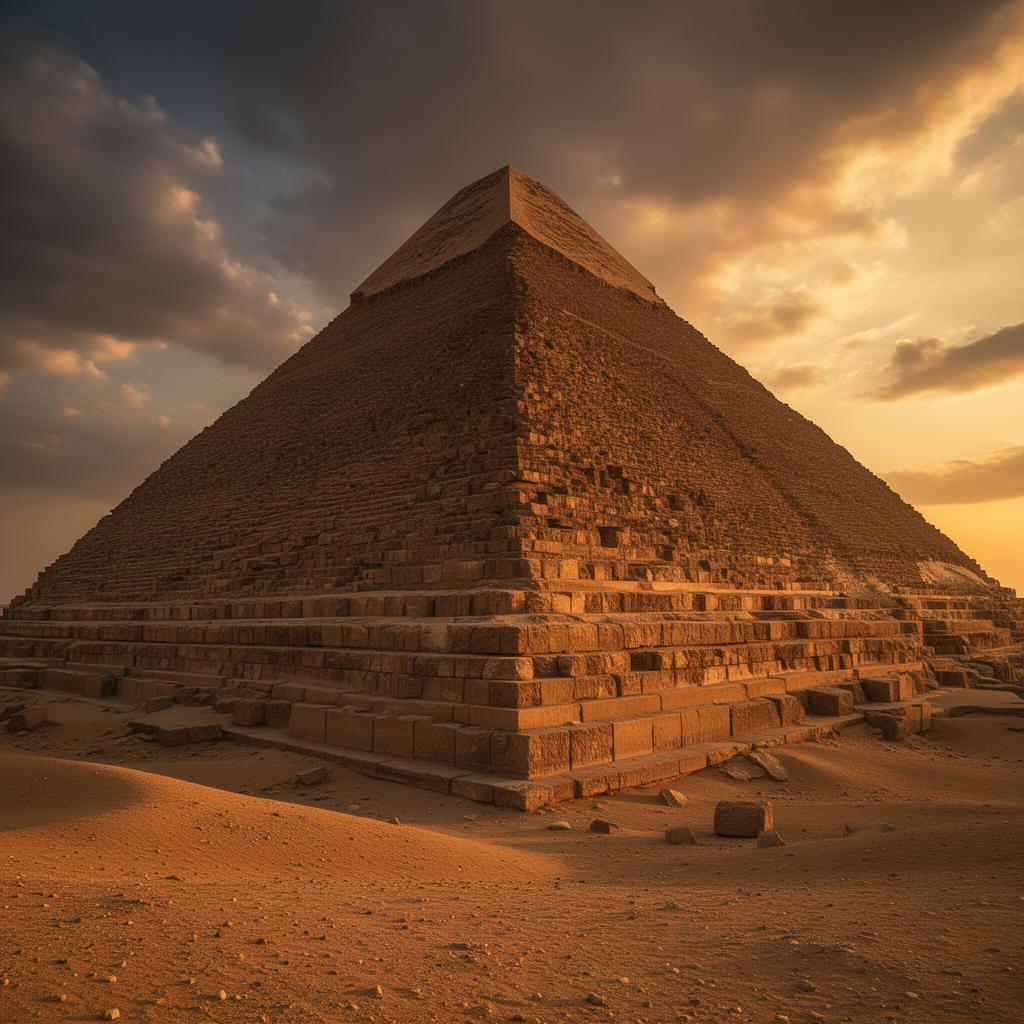
How Architecture Began: From Shelter to Symbol
Long before drawings, before the word architect existed, people were already building. A short history of how shelter became symbol — across every continent.
Imhotep: The First Architect We Know by Name
Physician, advisor, poet, builder. The life of the man behind the Step Pyramid — and what his career tells us about where architecture comes from.