The Architect at the Table: A Conversation with Mira Eldh
On models, doubt, and why the best architects still draw by hand.
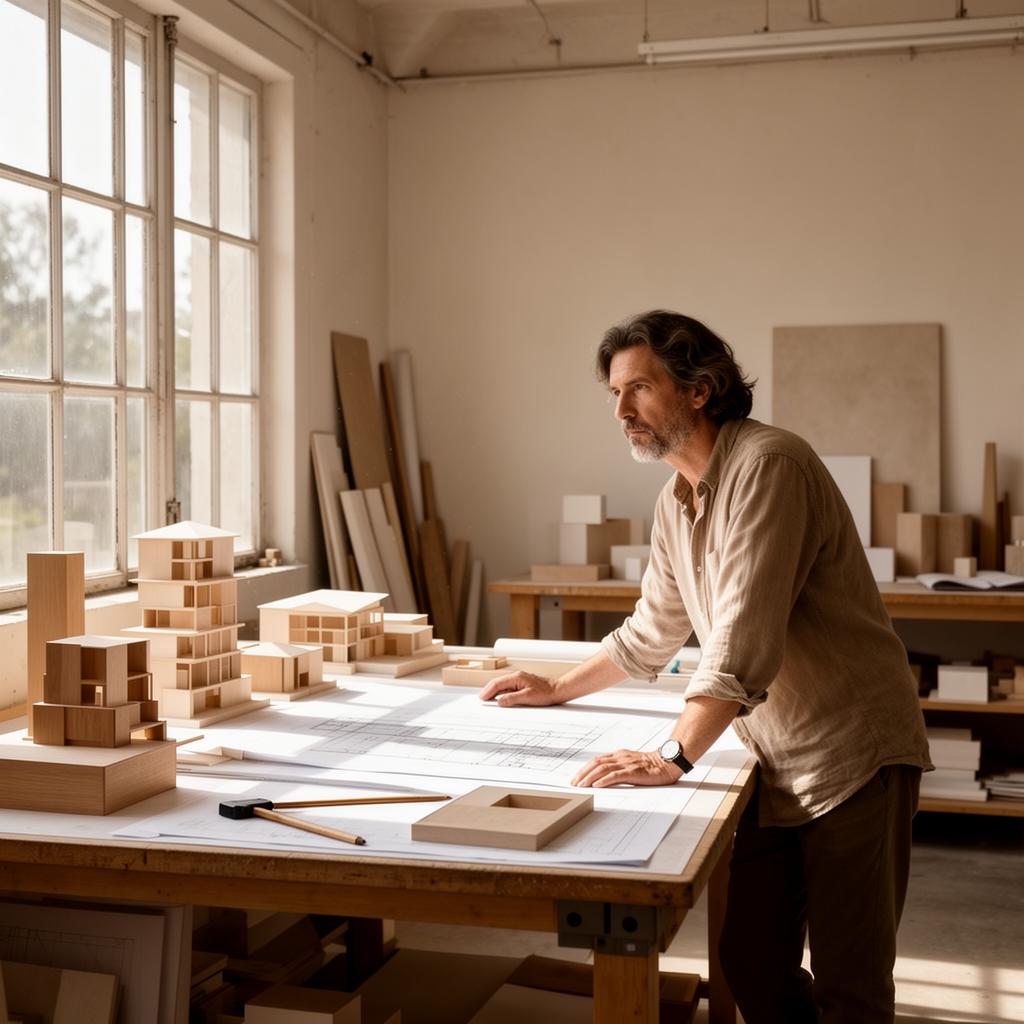
Mira Eldh works in a converted joinery on the edge of the city. The studio smells of pine and coffee. There are no screens visible from the front door — only timber models, stacked in a kind of city of their own.
“The model tells you when you are lying,” she says. “The screen rarely does.”
We talk for two hours about scale, about clients, about the moment you realise a project is going to be smaller than you hoped, and why that is almost always good news.
“The best buildings teach you how to be in a room.”
We will leave the last word to the reader. The questions below are not rhetorical. They are an invitation.
Before you comment, consider:
- 01
Is the physical model a tool, or a way of thinking?
- 02
What does an architect lose when every drawing begins on a screen?
Join the discussion
This is a journal, not a comments section. Share a building you love, a tradition from your region, or a memory a room once gave you. All voices, all cultures, all perspectives are welcome here.
- Anya PetrovTbilisi, Georgia3 days ago
Read this twice. The bit about the doorway feeling like a welcome — my grandmother's house in Sighnaghi has exactly that, a low stone arch you have to dip your head under, and you arrive in the courtyard already softened. I don't think she would have called it architecture. But it is.
- Joaquín RiberaMexico City2 days ago
Writing this from a rooftop in Coyoacán. The neighbour's bougainvillea is doing more for the street than anything the developers put up last year. I think you're right that the older traditions were generous, but I'd push back gently — generosity is also a choice we have to keep making now, and most of the new towers here aren't choosing it.
- Mei TanakaKyotoyesterday
There's a word in carpentry here, kigoroshi, for crushing wood fibres so the joint swells back tight over time. I thought of it reading your paragraph on continuity. The good buildings are the ones that include the future in the calculation.
- Amadou DialloDakaryesterday
If you ever get the chance to be in Djenné for the replastering of the Great Mosque, go. The whole town climbs the walls. Children carry water. Old men direct from the shade. The building is never finished, which is the entire point. Thank you for writing this with care.
From the same shelf
How Architecture Began: From Shelter to Symbol
Long before drawings, before the word architect existed, people were already building. A short history of how shelter became symbol — across every continent.
Imhotep: The First Architect We Know by Name
Physician, advisor, poet, builder. The life of the man behind the Step Pyramid — and what his career tells us about where architecture comes from.